The Best Boardroom Acoustic Solutions for Clear Speech & Better Meetings
Poor acoustics are one of the biggest problems in modern offices. Many companies invest heavily in beautiful conference room interiors but ignore one critical issue — vocal echo in boardrooms.
When voices bounce off glass walls, concrete ceilings, and hard tables, meetings become difficult to follow. Employees struggle to hear clearly, video calls sound unprofessional, and communication efficiency decreases.
Fortunately, modern acoustic panels for boardrooms can dramatically improve sound quality and eliminate echo problems.
What Causes Vocal Echo in Boardrooms?
Boardrooms often contain highly reflective materials such as:
-
Glass partitions
-
Concrete ceilings
-
Wooden conference tables
-
Painted drywall
-
Tile or hardwood flooring
These hard surfaces reflect sound waves instead of absorbing them. As voices continue bouncing around the room, excessive reverberation occurs, creating what is commonly known as boardroom echo.
Common symptoms include:
-
Muffled conversations
-
Speech overlap
-
Difficult video conferences
-
Distracting background reflections
-
Listener fatigue during long meetings
Why Boardroom Acoustics Matter
Good acoustics are essential for:
Better Communication
Employees can hear presentations and conversations more clearly.
Improved Video Conferencing
Modern hybrid meetings require excellent voice clarity for remote participants.
Increased Productivity
Reducing echo helps people focus longer without audio fatigue.
Professional Office Experience
Clients and visitors immediately notice when a meeting room sounds comfortable and high-end.
Best Solutions for Absorbing Vocal Echo in Boardrooms
1. Install Acoustic Wall Panels
One of the most effective ways to reduce echo is using PET Felt Acoustic Wall Panels.
These panels absorb mid and high-frequency sound waves generated by human speech, helping improve speech intelligibility inside conference rooms.
Benefits of Acoustic Wall Panels:
-
Reduce vocal reverberation
-
Improve meeting clarity
-
Modern decorative appearance
-
Lightweight installation
-
Eco-friendly recycled materials
Decorative acoustic panels are widely used in:
-
Corporate boardrooms
-
Executive meeting rooms
-
Conference centers
-
Hybrid collaboration spaces
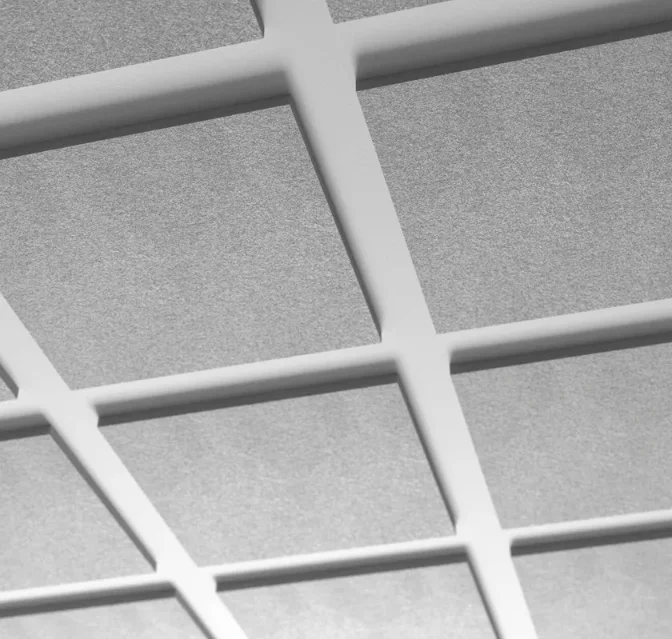
2. Use Acoustic Ceiling Panels or Baffles
Ceilings are often overlooked in acoustic treatment.
Installing acoustic ceiling baffles or suspended ceiling panels helps absorb reflected sound from above, especially in rooms with open ceilings or large conference tables.
Popular Ceiling Acoustic Solutions:
-
PET Felt ceiling panels
-
Hanging acoustic baffles
-
Suspended ceiling clouds
-
Acoustic rafts
These systems help create balanced sound absorption throughout the room.
3. Add Acoustic Divider Panels
In open office environments, sound easily travels between spaces.
Acoustic divider screens help:
-
Improve speech privacy
-
Reduce noise transfer
-
Separate collaboration zones
-
Minimize distractions
Modern PET Felt divider systems combine sound absorption with architectural aesthetics.
4. Reduce Glass Reflection with Soft Materials
Glass surfaces create strong sound reflections in conference rooms.
To improve acoustics, combine acoustic panels with:
-
Acoustic curtains
-
Upholstered furniture
-
Fabric wall finishes
-
Soft seating materials
This combination significantly reduces reverberation time.
Why PET Felt Acoustic Panels Are Ideal for Boardrooms
Modern office designers increasingly choose PET Felt Acoustic Panels because they combine acoustic performance with contemporary design.
Excellent Speech Absorption
PET Felt materials absorb frequencies associated with human conversation, improving voice clarity.
Sustainable & Eco-Friendly
Most PET Felt panels are made from recycled polyester fiber, supporting green building projects.
Custom Architectural Designs
Available in:
-
Custom colors
-
CNC cut patterns
-
3D embossed textures
-
Printed decorative surfaces
Lightweight & Easy Installation
PET Felt panels are easy to install on both walls and ceilings.
Recommended Placement for Boardroom Acoustic Panels
For maximum performance, acoustic materials should be installed strategically.
Best Locations Include:
-
Side walls near seating areas
-
Behind presentation screens
-
Ceiling above conference tables
-
Rear walls
-
Glass partition areas
A combination of wall and ceiling absorption usually delivers the best results.
How Much Acoustic Treatment Does a Boardroom Need?
The amount of acoustic treatment depends on:
-
Room dimensions
-
Ceiling height
-
Existing materials
-
Occupancy level
-
Furniture layout
As a general guideline:
-
Small meeting rooms: 15–25% wall coverage
-
Large boardrooms: combined wall and ceiling treatment
Professional acoustic planning helps optimize performance and aesthetics.
Benefits of Installing Boardroom Acoustic Panels
Businesses that improve their boardroom acoustics often experience:
-
Clearer communication
-
Better meeting efficiency
-
Enhanced video conference quality
-
Reduced employee fatigue
-
More professional office environments
-
Improved client experience
Acoustic comfort has become an essential part of modern workplace design.
Final Thoughts on Reducing Vocal Echo in Boardrooms
If your conference room suffers from excessive reverberation, installing acoustic panels for boardrooms is one of the most effective solutions.
By combining:
-
Acoustic wall panels
-
Acoustic ceiling baffles
-
PET Felt divider systems
-
Sound-absorbing interior materials
you can create a quieter, clearer, and more productive meeting environment.
Modern PET Felt Acoustic Panels offer the perfect balance between sound control, sustainability, and contemporary office aesthetics, making them ideal for today’s commercial boardrooms.